Areca palms, also known as Dypsis lutescens (formerly Chrysalidocarpus lutescens), are indeed striking and versatile plants. Here’s a comprehensive guide to understanding and caring for them, whether they’re indoors or outdoors: Areca Palm Overview Common Names : Areca palm, bamboo palm, golden cane palm, yellow palm Botanical Name : Dypsis lutescens Family : Arecaceae Plant Type : Perennial Native Area : Madagascar (though the plant is now common in various tropical regions) Sun Exposure : Full sun to partial shade Soil Type : Moist but well-drained Soil pH : Acidic to neutral Bloom Time : Summer Flower Color : Yellow (though flowers are often inconspicuous) Hardiness Zones : 10–11 (USDA) Growth and Size Indoor Size : 6-7 ft. tall, 3-4 ft. wide Outdoor Size : 15-30 ft. tall, 8-10 ft. wide Areca palms have a unique, elegant appearance with their smooth, sometimes golden trunks and feathery fronds that resemble bamboo leaves. This makes them a popular choice for both indoor and outdoor ...
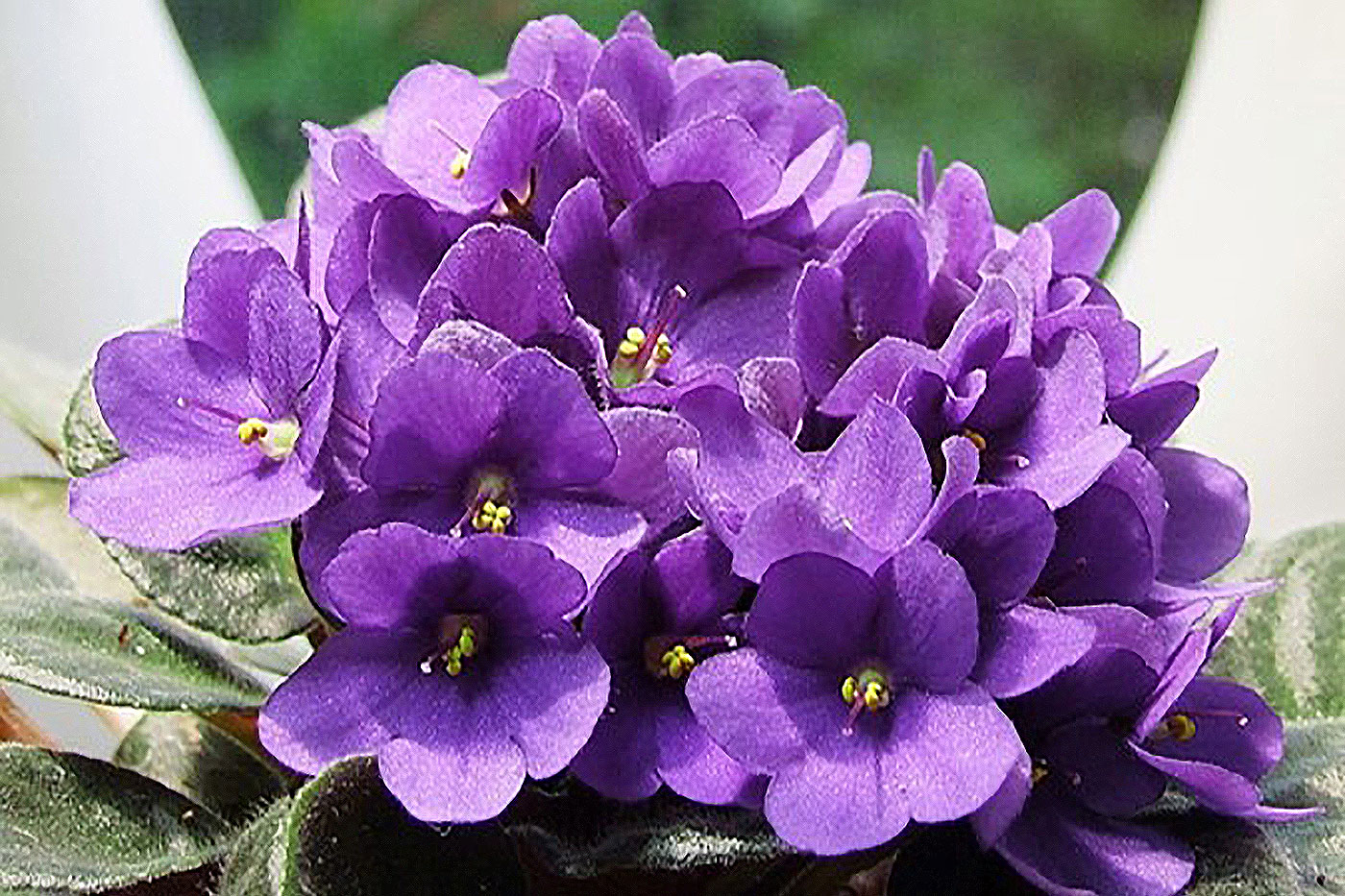 Here’s a concise guide on optimal conditions for African Violets based on your detailed insights:
Temperature
- Ideal Range: Maintain an average temperature of around 21°C (70°F). The ideal range is between 15°C (60°F) and 26°C (80°F).
- Avoid Extremes: Avoid temperatures below 15°C (60°F) and above 26°C (80°F). Sudden temperature changes can stress the plant.
- Signs of Cold Shock: Symptoms include wilting, soft and translucent leaves, curling leaf edges, and brown or wilted flowers. Immediate actions include moving the plant to a warmer spot, removing damaged parts, and increasing humidity while reducing watering.
Pot Size
- General Rule: Use a pot that is no more than one-third the width of the foliage.
- Pot Type: Shallow pots are preferred to keep water near the roots. Avoid deep pots as they can cause water to pool at the bottom, far from the roots.
- Effects of Pot Size: A pot that is too large can slow down foliage growth and reduce flowering.
Humidity
- Preferred Range: Maintain humidity between 40% and 60%.
- Tools: Use a hygrometer to monitor humidity levels. If needed, a small cordless humidifier can be placed near the plants to increase humidity.
Light Requirements
- Type: Provide bright but indirect light. Avoid direct sunlight, which can scorch the leaves.
- Positioning: Place African Violets close to windows (within 30-60 cm or about 12-24 inches) in bright shade spots.
- Signs of Light Issues:
- Insufficient Light: Stems may become elongated as the plant stretches towards the light.
- Excessive Light: Leaves may fade, bleach, or lose their color.
- Rotation: Rotate the plant every week or two to ensure even growth and avoid leaning towards the light.
- Variegation: Too much light can reduce variegation in variegated varieties, making them turn fully green.
Additional Tips
- Light Meter: If you have a light meter, aim for a light intensity of 10,000 to 12,000 lux (about 900 to 1,100 foot-candles) for optimal growth.
- Maintenance: Regularly check and adjust conditions as needed to keep your African Violets thriving and blooming.
By following these guidelines, you can create an optimal environment for your African Violets, ensuring they stay healthy and produce beautiful blooms.
Comments
Post a Comment