Areca palms, also known as Dypsis lutescens (formerly Chrysalidocarpus lutescens), are indeed striking and versatile plants. Here’s a comprehensive guide to understanding and caring for them, whether they’re indoors or outdoors: Areca Palm Overview Common Names : Areca palm, bamboo palm, golden cane palm, yellow palm Botanical Name : Dypsis lutescens Family : Arecaceae Plant Type : Perennial Native Area : Madagascar (though the plant is now common in various tropical regions) Sun Exposure : Full sun to partial shade Soil Type : Moist but well-drained Soil pH : Acidic to neutral Bloom Time : Summer Flower Color : Yellow (though flowers are often inconspicuous) Hardiness Zones : 10–11 (USDA) Growth and Size Indoor Size : 6-7 ft. tall, 3-4 ft. wide Outdoor Size : 15-30 ft. tall, 8-10 ft. wide Areca palms have a unique, elegant appearance with their smooth, sometimes golden trunks and feathery fronds that resemble bamboo leaves. This makes them a popular choice for both indoor and outdoor ...
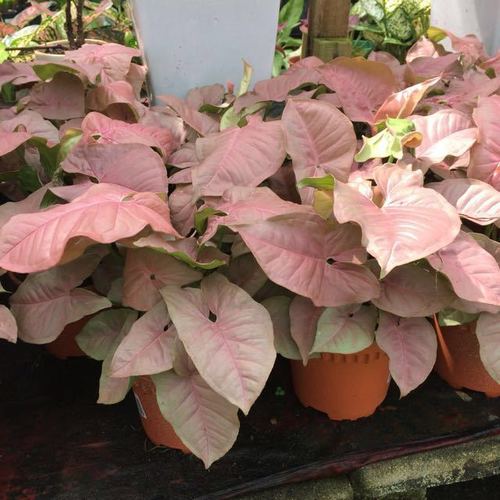
Native Habitat
Syngonium plants are native to tropical regions of Central and South America, including:
- Mexico
- Brazil
- Venezuela
- Peru
- Costa Rica
- Guatemala
- Trinidad and Tobago
In their natural habitat, Syngoniums grow as ground cover or climbing vines in the underbrush of tropical rainforests. They thrive in moist, shady conditions with rich, fertile soil. This environment helps them develop their characteristic heart-shaped leaves, which mature into more complex, segmented shapes as they climb.
Light Requirements
Syngonium plants are adaptable but have specific light needs:
- Pink Varieties: Prefer medium to bright indirect light. While they can tolerate lower light, brighter light will enhance the pink coloration of their leaves. However, too much direct sunlight can cause leaf burn or fading of the pink hues. Bright light also accelerates soil drying, so adjustments to watering may be necessary.
- General Advice: Avoid placing them in direct sunlight. Indirect light helps maintain their vibrant colors and promotes healthy growth without causing damage.
Temperature Preferences
Syngoniums are quite flexible regarding temperature but do best within certain ranges:
- Ideal Range: 15 to 26°C (60 to 78°F).
- Tolerances: They can tolerate slightly cooler or warmer conditions, but temperatures below 10°C (50°F) should be avoided.
- Avoid Drafts: Keep them away from drafts, air conditioning vents, and heat sources. Extreme temperature fluctuations can stress the plant.
Humidity Needs
Given their rainforest origins, Syngoniums thrive in higher humidity:
- Ideal Humidity: 50% to 70% relative humidity.
- Practical Tips: If your home is dry, especially in winter, consider using a humidifier. Models like the cordless H2O 750 are beneficial.
- Monitoring: Use a hygrometer to measure humidity levels accurately. Misting and pebble trays often provide insufficient humidity for Syngoniums, so a dedicated humidifier is generally more effective.
Summary
Syngonium plants are well-suited to indoor environments if you can replicate some of their natural conditions. They prefer medium to bright indirect light, a temperature range of 15 to 26°C (60 to 78°F), and higher humidity levels (50% to 70%). Providing these conditions will help your Syngonium thrive and maintain its vibrant colors and healthy growth.
By understanding their natural habitat and adjusting your care practices accordingly, you can keep your Syngonium healthy and flourishing.
Comments
Post a Comment