Areca palms, also known as Dypsis lutescens (formerly Chrysalidocarpus lutescens), are indeed striking and versatile plants. Here’s a comprehensive guide to understanding and caring for them, whether they’re indoors or outdoors: Areca Palm Overview Common Names : Areca palm, bamboo palm, golden cane palm, yellow palm Botanical Name : Dypsis lutescens Family : Arecaceae Plant Type : Perennial Native Area : Madagascar (though the plant is now common in various tropical regions) Sun Exposure : Full sun to partial shade Soil Type : Moist but well-drained Soil pH : Acidic to neutral Bloom Time : Summer Flower Color : Yellow (though flowers are often inconspicuous) Hardiness Zones : 10–11 (USDA) Growth and Size Indoor Size : 6-7 ft. tall, 3-4 ft. wide Outdoor Size : 15-30 ft. tall, 8-10 ft. wide Areca palms have a unique, elegant appearance with their smooth, sometimes golden trunks and feathery fronds that resemble bamboo leaves. This makes them a popular choice for both indoor and outdoor ...
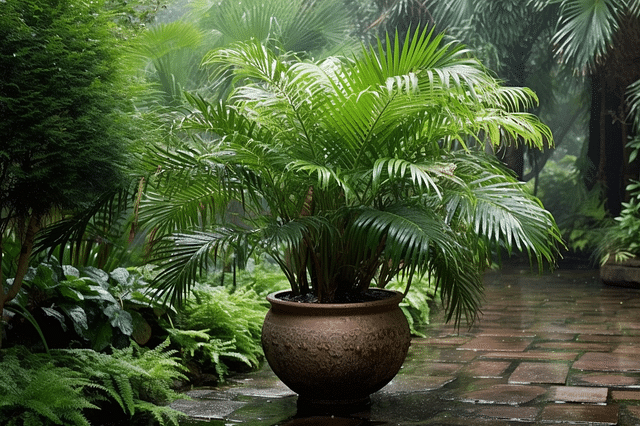
Areca palms thrive in slightly cramped containers, which helps keep their size manageable, especially as houseplants. Here’s a guide to properly potting and repotting your Areca palm:
Potting
- Container Choice: Select a pot with ample drainage holes to prevent waterlogging. A container that’s slightly smaller than the root ball encourages a snug fit, which helps regulate the plant's size.
- Potting Mix: Use a well-draining, peat-based potting mix, ideally one formulated for palms. If you’re making your own mix, combine equal parts of peat moss, perlite, and sand for optimal drainage.
- Planting Depth: Plant the Areca palm at the same depth as it was in its previous pot. This ensures the roots are neither too deep nor too shallow, which can affect growth and stability.
Repotting
- Timing: Repot every 1-2 years or when the plant outgrows its container. Spring is the best time to repot, as it aligns with the palm’s active growing season.
- Preparation: If the palm’s root ball fits comfortably in its current pot, you can use the same container. Otherwise, choose a pot that is 1-2 inches larger in diameter.
- Process:
- Remove: Gently remove the palm from its pot. If the roots are compacted, you might need to tap or gently pull the container to release the root ball.
- Inspect: Examine the roots and trim any that are damaged or excessively long.
- Replant: Place the palm in the new pot at the same depth as it was in the old pot. Add fresh potting mix around the roots and water thoroughly.
Common Pests and Plant Diseases
Although Areca palms are generally resilient, they can occasionally face pest and disease issues:
Lethal Yellowing: This bacterial disease, transmitted by insects, causes fronds to yellow and die. It’s more common in outdoor palms. Unfortunately, treatment is usually ineffective, so removal of the infected plant is often the best course of action to prevent the disease from spreading.
Houseplant Pests: Indoor Areca palms are susceptible to common pests, including:
- Mites: Often cause stippling or webbing on leaves. Use insecticidal soap or miticides.
- Aphids: Small, sap-sucking insects that can cause leaf distortion and sticky residue. Treat with insecticidal soap or neem oil.
- Mealybugs: White, cotton-like pests that can be removed with a cotton swab dipped in alcohol or treated with insecticidal soap.
- Scale: Small, hard bumps on leaves and stems. Scrape off manually or treat with neem oil.
- Whiteflies: Tiny, white flying insects that cause leaf yellowing. Use insecticidal soap or neem oil.
Common Problems with Areca Palms
- Leaf Tip Burn: This is a common issue where leaf tips turn yellow or brown. Causes include:
- Chilly Air: Avoid placing palms near cold drafts or air conditioners.
- Overwatering: Ensure the soil is well-draining and allow it to dry out slightly between waterings.
- Underwatering: Keep the soil consistently moist but not soggy.
- Poor Soil Conditions: Use a high-quality, well-draining potting mix.
- Compacted Roots: Repot if roots are becoming too tight in the container.
By following these care and maintenance tips, you’ll help ensure your Areca palm remains healthy and attractive, whether it's a houseplant or part of your outdoor landscape.
Comments
Post a Comment