Areca palms, also known as Dypsis lutescens (formerly Chrysalidocarpus lutescens), are indeed striking and versatile plants. Here’s a comprehensive guide to understanding and caring for them, whether they’re indoors or outdoors: Areca Palm Overview Common Names : Areca palm, bamboo palm, golden cane palm, yellow palm Botanical Name : Dypsis lutescens Family : Arecaceae Plant Type : Perennial Native Area : Madagascar (though the plant is now common in various tropical regions) Sun Exposure : Full sun to partial shade Soil Type : Moist but well-drained Soil pH : Acidic to neutral Bloom Time : Summer Flower Color : Yellow (though flowers are often inconspicuous) Hardiness Zones : 10–11 (USDA) Growth and Size Indoor Size : 6-7 ft. tall, 3-4 ft. wide Outdoor Size : 15-30 ft. tall, 8-10 ft. wide Areca palms have a unique, elegant appearance with their smooth, sometimes golden trunks and feathery fronds that resemble bamboo leaves. This makes them a popular choice for both indoor and outdoor ...
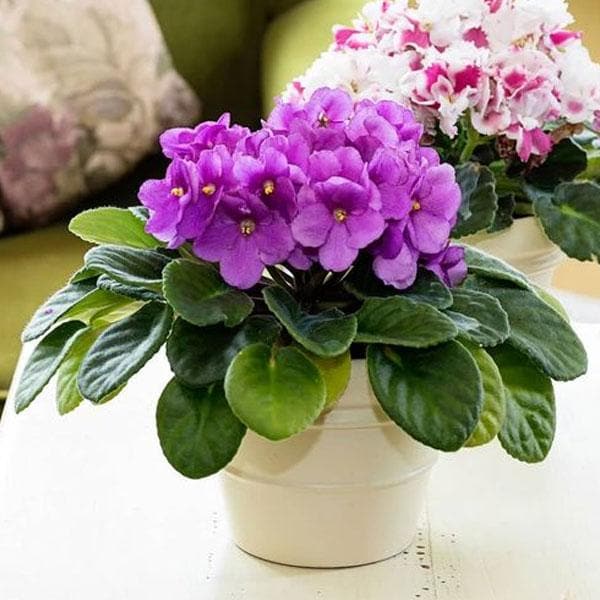
Watering African Violets correctly is key to keeping them healthy and blooming. Here’s a concise guide on the different methods of watering and substrate recommendations:
Watering Methods
Bottom Watering
- How to: Place the nursery pot in a larger outer container with room temperature to lukewarm water (ideally between 20–35°C or 68–95°F). Fill the outer container about a quarter full, so the water level reaches halfway up the nursery pot. This allows the substrate to absorb water from the bottom.
- Duration: Soak for about 30 minutes or until the top of the substrate is moist. Remove the pot to drain thoroughly.
- Tip: Ensure the pot isn’t left in standing water to prevent root rot.
Top Watering
- How to: Use room temperature water and water heavily until it drains from the bottom. This ensures even saturation of the substrate and helps flush out excess mineral salts.
- Technique: Water slowly to avoid wetting the leaves. For a thorough soak, you can water twice with a few minutes in between.
- Benefits: Helps in leaching out mineral salts, but requires careful attention to avoid wetting the leaves, which can cause rot.
Wick Watering
- How to: Insert a wick into the substrate that extends from the bottom of the pot to a water reservoir below. The wick draws water up into the substrate as it dries out.
- Alternative: Mat Watering: Place the pot on a damp, absorbent mat that wicks water up into the substrate.
- Materials: Use materials like cotton rope, felt, or macrame cord. Ensure the wick is replaced periodically.
Water Temperature
- Room Temperature: Around 20–24°C (68–76°F).
- Lukewarm: Around 35–40°C (95–105°F).
- Tepid: A broader range, 15–27°C (60–80°F).
How Often to Water
- Factors: Humidity, air flow, and substrate type affect watering frequency. Check the soil moisture regularly.
- General: Water every 1–2 weeks, but always adjust based on the plant's environment and moisture level.
Is Tap Water Safe?
- Generally Yes: But avoid water with high chlorine, chloramine, or sodium.
- Alternatives: Clean rainwater is a good choice. Check water pH (ideal range: 6.5–7.5).
Substrate Recommendations
- Premade Mixes: Bio Leaf African Violet Mix (available in New Zealand) and Espoma African Violet Mix (popular in other regions) are excellent choices.
- DIY Mixes:
- Recipe 1: 50% peat moss, 25% perlite, 25% vermiculite.
- Recipe 2: 3 parts peat moss, 2 parts perlite, 1 part vermiculite.
- Recipe 3: 1/3 peat moss, 1/3 perlite, 1/3 vermiculite.
- Additives: Consider adding Dolomite Lime and Horticultural Charcoal for better drainage and nutrient availability.
Common Issues
- Wet Leaves: Avoid getting leaves wet to prevent rot. Use a soft brush for cleaning.
- Root Rot: Ensure good drainage and avoid over-watering. Regularly check for rot and replace substrates if needed.
By understanding these methods and substrate needs, you can keep your African Violets healthy and thriving, with the added bonus of beautiful blooms.
- Get link
- X
- Other Apps
- Get link
- X
- Other Apps
Comments
Post a Comment