
Areca Palm Guide

Areca palms, also known as Dypsis lutescens (formerly Chrysalidocarpus lutescens), are indeed striking and versatile plants. Here’s a comprehensive guide to understanding and caring for them, whether they’re indoors or outdoors: Areca Palm Overview Common Names : Areca palm, bamboo palm, golden cane palm, yellow palm Botanical Name : Dypsis lutescens Family : Arecaceae Plant Type : Perennial Native Area : Madagascar (though the plant is now common in various tropical regions) Sun Exposure : Full sun to partial shade Soil Type : Moist but well-drained Soil pH : Acidic to neutral Bloom Time : Summer Flower Color : Yellow (though flowers are often inconspicuous) Hardiness Zones : 10–11 (USDA) Growth and Size Indoor Size : 6-7 ft. tall, 3-4 ft. wide Outdoor Size : 15-30 ft. tall, 8-10 ft. wide Areca palms have a unique, elegant appearance with their smooth, sometimes golden trunks and feathery fronds that resemble bamboo leaves. This makes them a popular choice for both indoor and outdoor ...
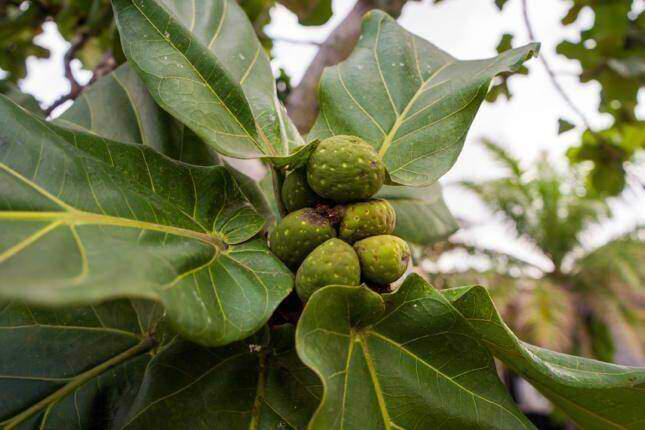
Tips for Fiddle Leaf Fig

The Complete Guide to Fiddle Leaf Fig Fruit | Plant Resource Great tip on keeping your Fiddle Leaf Fig dust-free! It's so true that those large, glossy leaves can attract dust like nobody’s business.

Here's a quick summary of the key points:

  1. Dust Accumulation: Dust can block light and clog stomata, which are crucial for your plant’s health. It can also attract pests like spider mites.

  2. Leaf Shine Products: Be cautious with silicon-based leaf shines. They can create a layer that blocks your plant's pores and often result in an artificial shine.

  3. Neem Oil Leaf Shine: Using something like Plant Runner’s Neem Oil Leaf Shine is a smart choice. It cleans leaves without clogging stomata and can also offer mild pest repellent properties. Just a spritz on a microfiber glove and you’re set!

Regular dusting with a soft cloth or microfiber gloves, combined with a plant-friendly product like neem oil, can help keep your Fiddle Leaf Fig looking vibrant and healthy. Thanks for sharing this helpful advice!

Comments

Popular posts from this blog

Understanding and Addressing Dropping Leaves in Houseplants

  The most common causes of leaf drop and provide practical solutions to help your plant thrive again. 1. Watering Issues Watering is a key factor in plant health, and improper watering can lead to leaf drop: Overwatering:  Soggy soil can lead to root rot, which may cause leaves to drop. To avoid this, water evenly around the pot until it drips out the bottom, then discard any excess water collected in the saucer. Check out the Grow-How® Team’s blog post  6 Tips To Properly Water Your Plants  for more details. Underwatering:  Insufficient watering can cause stress and leaf drop as well. Ensure the soil remains consistently moist but not waterlogged. Adjust your watering schedule based on the specific needs of your plant. Tip:  Refer to our plant care guides for specific watering needs of different plant varieties. 2. Too Little Light Insufficient light can hinder photosynthesis and lead to leaf drop: Low Light:  If your plant isn’t receiving enough lig...

Syngonium Care: Natural Habitat, Light, Temperature, and Humidity

  Native Habitat Syngonium plants are native to tropical regions of Central and South America, including: Mexico Brazil Venezuela Peru Costa Rica Guatemala Trinidad and Tobago In their natural habitat, Syngoniums grow as ground cover or climbing vines in the underbrush of tropical rainforests. They thrive in moist, shady conditions with rich, fertile soil. This environment helps them develop their characteristic heart-shaped leaves, which mature into more complex, segmented shapes as they climb. Light Requirements Syngonium plants are adaptable but have specific light needs: Pink Varieties:  Prefer medium to bright indirect light. While they can tolerate lower light, brighter light will enhance the pink coloration of their leaves. However, too much direct sunlight can cause leaf burn or fading of the pink hues. Bright light also accelerates soil drying, so adjustments to watering may be necessary. General Advice:  Avoid placing them in direct sunlight. Indirect light help...

Areca Palm Guide

Areca palms, also known as Dypsis lutescens (formerly Chrysalidocarpus lutescens), are indeed striking and versatile plants. Here’s a comprehensive guide to understanding and caring for them, whether they’re indoors or outdoors: Areca Palm Overview Common Names : Areca palm, bamboo palm, golden cane palm, yellow palm Botanical Name : Dypsis lutescens Family : Arecaceae Plant Type : Perennial Native Area : Madagascar (though the plant is now common in various tropical regions) Sun Exposure : Full sun to partial shade Soil Type : Moist but well-drained Soil pH : Acidic to neutral Bloom Time : Summer Flower Color : Yellow (though flowers are often inconspicuous) Hardiness Zones : 10–11 (USDA) Growth and Size Indoor Size : 6-7 ft. tall, 3-4 ft. wide Outdoor Size : 15-30 ft. tall, 8-10 ft. wide Areca palms have a unique, elegant appearance with their smooth, sometimes golden trunks and feathery fronds that resemble bamboo leaves. This makes them a popular choice for both indoor and outdoor ...