Areca palms, also known as Dypsis lutescens (formerly Chrysalidocarpus lutescens), are indeed striking and versatile plants. Here’s a comprehensive guide to understanding and caring for them, whether they’re indoors or outdoors: Areca Palm Overview Common Names : Areca palm, bamboo palm, golden cane palm, yellow palm Botanical Name : Dypsis lutescens Family : Arecaceae Plant Type : Perennial Native Area : Madagascar (though the plant is now common in various tropical regions) Sun Exposure : Full sun to partial shade Soil Type : Moist but well-drained Soil pH : Acidic to neutral Bloom Time : Summer Flower Color : Yellow (though flowers are often inconspicuous) Hardiness Zones : 10–11 (USDA) Growth and Size Indoor Size : 6-7 ft. tall, 3-4 ft. wide Outdoor Size : 15-30 ft. tall, 8-10 ft. wide Areca palms have a unique, elegant appearance with their smooth, sometimes golden trunks and feathery fronds that resemble bamboo leaves. This makes them a popular choice for both indoor and outdoor ...
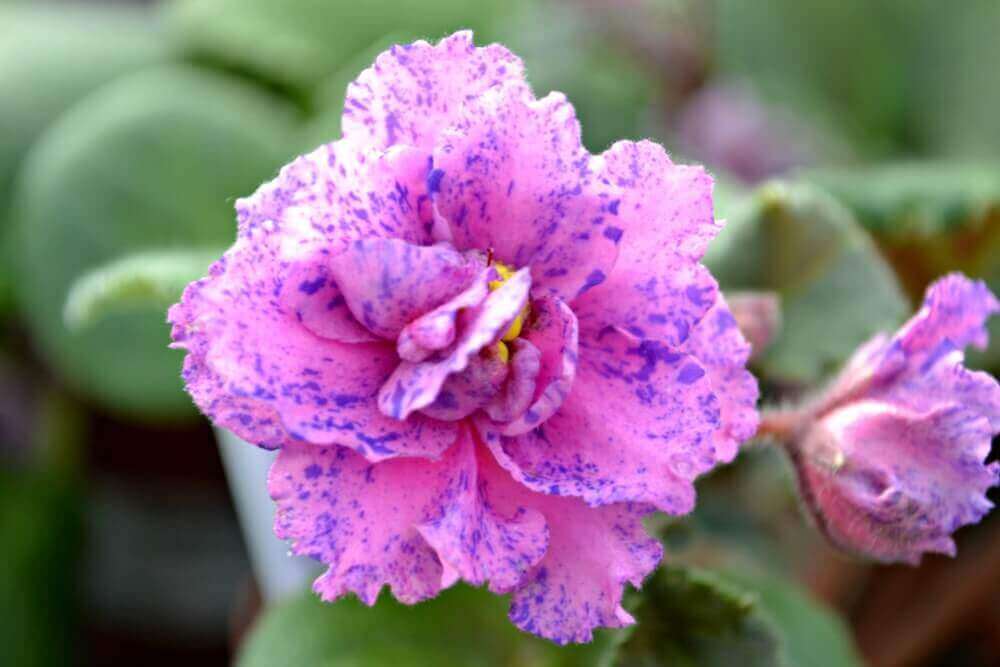
Selecting the right fertiliser for African Violets can significantly impact their health and blooming. Here’s a streamlined guide to help you choose the best fertiliser for your plants:
1. Ensure the Fertiliser is Complete
- Essential Nutrients: Look for a fertiliser that provides all 12 essential nutrients: Nitrogen (N), Phosphorus (P), Potassium (K), Calcium, Magnesium, Sulfur, Iron, Manganese, Boron, Zinc, Copper, and Molybdenum.
- Calcium: Especially important for flowering plants. Ensure it’s included (typically listed around the 4th position on the label).
- Check for Completeness: Fertilisers that include additional micro-nutrients beyond NPK are preferable, as they meet all the plant’s needs.
2. Determine the Fertiliser Type
- Foliage vs. Flower Fertiliser: Choose based on the plant’s growth stage:
- Foliage Fertiliser: Higher in Nitrogen, supports leaf growth. Ideal for young plants or those focusing on foliage.
- Flower Fertiliser: Higher in Phosphorus, supports blooming. Ideal for mature plants or those ready to flower.
- Balanced Fertiliser: Provides a mix, suitable if you want to support both foliage and flowers equally.
3. Additional Features
- Reduced Salt: Opt for reduced-salt fertilisers to avoid issues with root rot or fertiliser burn. Look for options without chlorides, sodium, or urea.
- pH Buffered: A pH-buffered fertiliser helps maintain the optimal pH range for African Violets, preventing nutrient lock-out or toxicity.
:max_bytes(150000):strip_icc()/africanvioletwithhand-78783bd14c784c449fca778361d13ae6.JPG)
Popular Fertiliser Choices
GT (Growth Technology)
- Foliage Focus: High-Nitrogen formula for lush leaf growth.
- Complete Focus: A balanced option suitable for both foliage and flowers.
- Flower Focus: Higher in Phosphorus for enhanced blooming.
- Orchid Focus Bloom: Some growers prefer this for its similarity in needs with African Violets.
Superthrive (formerly Dyna-Gro)
- Foliage-Pro: Supports healthy foliage growth.
- Grow: A balanced formula for general use.
- Bloom: Designed to boost flowering.
Plant Runner
- Indoor Plant Food: Contains organic seaweed, supporting overall plant health with added benefits for flowering.
Application Tips
- Initial Growth: Start with a foliage fertiliser to promote leaf growth and plant maturity.
- Transition to Blooming: Shift to a flower fertiliser when your African Violet is ready to flower.
- Seasonal Changes: You can alternate between foliage and flower fertilisers depending on the plant’s stage and blooming cycle.
Summary
For healthy, blooming African Violets, choose a complete fertiliser with essential nutrients, including calcium. Opt for a formula suitable for your plant’s current stage—foliage or flowering—and consider additional features like reduced salt or pH buffering for optimal results. Popular brands like GT, Superthrive, and Plant Runner offer effective options tailored to various needs.
Sharing this guide with fellow plant enthusiasts can help others better care for their African Violets and enjoy their beautiful blooms!
Comments
Post a Comment